
For most system administrators and engineers, "Security-Focused Dark Web Resources for System Admins" offers the most direct utility. It provides actionable insights and tools for enhancing network defence, which aligns with core professional responsibilities. Those primarily focused on threat intelligence or digital forensics may find "Investigative and OSINT Resources on the Dark Web" more suitable, as it caters to advanced data collection and analysis needs.
Selection Criteria
Operational Security (OpSec) Practices
A site's commitment to OpSec directly impacts user safety. Look for clear statements on data retention, logging policies, and the use of encryption for communications.
Content Relevance and Quality
The value of a dark web site is in its content. Prioritise sites that offer accurate, well-organised information or services pertinent to your specific research or operational needs.
Community Engagement and Moderation
Active communities with effective moderation often indicate a more reliable and safer environment. Check for recent posts, user interactions, and clear community guidelines.
Longevity and Update Frequency
Established sites that are regularly updated tend to be more stable and trustworthy. Frequent updates suggest ongoing maintenance and responsiveness to security concerns or content changes.
Absence of Malware or Phishing Attempts
A critical safety measure is the absence of malicious code or deceptive practices. Exercise caution and use isolated environments for initial access to new sites to mitigate risks.
Best Dark Web Pages: Top Recommendations
| Type | Accessibility | Security Features | Privacy Tools | Use Cases | Notes |
|---|---|---|---|---|---|
| Understanding the Dark Web Ecosystem for Professionals | Requires Tor | Focus on education and awareness | N/d | Professional training | Essential for newcomers to dark web |
| Essential Dark Web Directories and Search Engines | Requires Tor | HTTPS-Only Mode recommended | N/d | Finding onion sites | Includes curated lists of safe sites |
| Security-Focused Dark Web Resources for System Admins | Requires Tor | Advisories on security practices | Tor Browser best practices | Security assessments | Critical for system administrators |
| Privacy and Anonymity Tools & Services on the Dark Web | Requires Tor | Use of bridges recommended | VPNs and secure email | Enhanced anonymity | Important for privacy-conscious users |
| Investigative and OSINT Resources on the Dark Web | Requires Tor | Focus on data collection | N/d | Research and investigation | Useful for law enforcement and researchers |
| Verifying Onion Links and Avoiding Phishing Attempts | Requires Tor | Check for onion icon status | N/d | Link verification | Prevents phishing risks |
| Operational Security Best Practices for Dark Web Navigation | Requires Tor | Guidelines for safe browsing | N/d | Safe exploration | Essential for maintaining security while browsing |
Understanding the Dark Web Ecosystem for Professionals
The dark web is a segment of the deep web that has been intentionally hidden, comprising internet sites accessible only through special software like Tor[1]. This layer of the internet serves various purposes, including anonymity for whistleblowers, activists, and users seeking privacy. The core technology behind this anonymity is the Tor network, which routes internet traffic through a series of volunteer-operated servers, obscuring the user's location and usage from surveillance[2].
Differentiating between the deep web and the dark web is crucial for professionals. The deep web includes all parts of the internet not indexed by traditional search engines, encompassing benign content such as databases and private information. In contrast, the dark web is specifically designed for anonymity and often hosts illicit activities, making it a more dangerous environment[1]. Operationally, engaging with the dark web requires a heightened awareness of security practices, including the use of HTTPS versions of websites and caution when filling out web forms, as personal information can compromise anonymity[2].
While the dark web offers opportunities for privacy and secure communication, it is not without its limitations. Users must navigate a landscape rife with risks, including malware and phishing attempts. The need for robust operational security practices cannot be overstated; for example, it is advised not to torrent over Tor, as this can expose your real IP address[2]. Therefore, the dark web is most suitable for those who require anonymity and are prepared to implement rigorous security measures.
Essential Dark Web Directories and Search Engines
Finding reliable resources on the dark web can be challenging, but several directories and search engines can facilitate this process. Here are some notable options:
Ahmia
Ahmia serves as a user-friendly search engine for .onion sites. It indexes a wide array of dark web content, offering users a straightforward interface to locate specific sites. However, it does not index all available .onion sites, focusing instead on those that comply with its content policies, which may limit the scope of search results.
Torch
Torch is another prominent search engine that provides access to a significant number of .onion sites. It has been around since 2010 and is known for its extensive indexing capabilities. Users can search for various categories, but the quality of results can vary, and it may return links to sites that are no longer active, leading to potential dead ends.
Onion URL Repository
The Onion URL Repository offers a curated list of .onion links. This directory is beneficial for users seeking specific types of content, as it categorises links into sections such as forums, marketplaces, and blogs. While it provides a more structured approach to navigating the dark web, its reliance on user submissions can result in outdated or malicious links.
Challenges of Finding Legitimate Sites
Navigating the dark web poses inherent challenges, such as the prevalence of scams and illegal activities. Many sites may appear legitimate but could compromise user security or privacy. Therefore, it is essential to exercise caution and verify the credibility of links before engaging with them. Users should also be aware that not all directories and search engines are equally reliable, making it crucial to cross-reference information and rely on multiple sources to ensure safety.
Security-Focused Dark Web Resources for System Admins
System administrators can benefit from various dark web resources that focus on security research, exploit databases, and vulnerability information. These sites often serve as platforms for sharing critical insights into emerging threats and security breaches.
Notable Resources
ExploitDB: This database is a popular resource for finding exploits and vulnerabilities across various software. It provides detailed descriptions of vulnerabilities along with proof-of-concept codes, making it an invaluable tool for security assessments.
MalwareBazaar: A repository that allows users to share and download malware samples. It is particularly useful for researchers and system admins looking to understand malware behaviour and develop countermeasures.
Security Forums: Communities like "Darknet Diaries" or "Hack Forums" facilitate discussions around cybersecurity topics. These forums can be a source of real-time intelligence on threats and vulnerabilities.
Threat Intelligence Platforms: Resources such as "Cybint" offer curated threat intelligence that can be accessed on the dark web. These platforms often aggregate data from multiple sources, providing a comprehensive view of the threat landscape.
Strengths and Limitations
These resources provide timely information that can enhance security posture and inform incident response strategies. However, users must approach them with caution. Many sites may contain outdated information or could be compromised themselves, leading to potential security risks. Moreover, the anonymity of the dark web means that verifying the credibility of sources can be challenging.
Suitability and Access
These resources are suitable for system administrators and engineers who are familiar with network security and are looking to enhance their knowledge of vulnerabilities and exploits. Access typically requires the use of Tor, and users should implement best practices for security, such as using HTTPS and being cautious with personal information[2].
Privacy and Anonymity Tools & Services on the Dark Web
The dark web presents unique challenges for maintaining privacy and anonymity. To navigate this environment safely, various tools and services are available to enhance operational security (OpSec) for professionals.
Key Tools for Secure Communication and Data Transfer
Tor Browser: This is the primary tool for accessing the dark web, designed to anonymise user activity by routing traffic through multiple servers. It is crucial for system administrators to use the Tor Browser specifically configured for secure connections[2].
Bridges: For users concerned about traffic surveillance, configuring Tor to use bridges can help obscure the fact that Tor is being used, reducing the risk of detection[2].
VPN Services: While using Tor, employing a Virtual Private Network (VPN) can add an additional layer of security by masking the user's IP address from their Internet Service Provider (ISP). This is particularly beneficial for professionals handling sensitive data.
Secure Email Services: Options such as ProtonMail or Tutanota provide encrypted email communication, which is vital for sharing sensitive information without compromising privacy.
Benefits for System Administrators
These tools significantly benefit system administrators by enabling secure communication channels, which are essential for discussing sensitive operational matters. For instance, using HTTPS versions of sites accessed through Tor enhances security by encrypting data in transit[2]. Additionally, administrators should avoid opening downloaded documents while online, as they may inadvertently expose their IP address through embedded links[2].
Limitations and Considerations
Despite their strengths, these tools are not foolproof. Users must remain vigilant, as providing personal information on any platform can compromise anonymity[2]. Furthermore, while Tor effectively anonymises browsing activity, it is not immune to attacks, making OpSec practices critical for all dark web interactions.
In conclusion, leveraging these privacy tools is imperative for system administrators aiming to maintain operational security while exploring the dark web.
Investigative and OSINT Resources on the Dark Web
Open-source intelligence (OSINT) gathering on the dark web can be a valuable resource for investigators and researchers. Several sites offer data dumps, archives, and platforms for collecting intelligence, often related to criminal activities or security incidents.
Notable Resources
The Dark Web Archives: This site hosts a variety of data dumps, including leaked information from breaches. Users can find databases containing emails, passwords, and personal information, which can be useful for understanding the impact of data breaches on individuals and organisations.
OSINT Framework: Although not exclusively a dark web resource, this framework includes tools and links that guide users to various OSINT sources, some of which are accessible through the dark web. It helps investigators identify relevant data for their research.
Data Dump Sites: Sites like "Ghostbin" and "Pastebin" often host sensitive information that has been leaked. These platforms can provide insights into ongoing investigations and trends in data breaches, though the legality of accessing this information varies by jurisdiction.
Ethical Considerations and Legal Boundaries
When engaging with OSINT resources on the dark web, ethical considerations are paramount. Users must ensure they are compliant with local laws regarding data access and usage. Engaging with certain types of data, especially personally identifiable information (PII), can lead to legal ramifications.
It's crucial to approach these resources with caution, as not all information is legally obtained or ethically sourced. Using tools like Tor for anonymity is recommended, but users should remain vigilant about the potential risks of exposing their identity or inadvertently accessing illegal content[1][2].
In summary, OSINT resources on the dark web can be beneficial for investigative purposes, but they come with significant ethical and legal responsibilities. Users must navigate this landscape carefully, balancing the need for information with the imperative to act within legal boundaries.
Verifying Onion Links and Avoiding Phishing Attempts
Verifying onion links is crucial for ensuring a secure experience on the dark web. Here’s a step-by-step guide to help navigate this process effectively.
Step-by-Step Verification
Use Tor Browser: Always access .onion sites using the Tor Browser, which is specifically designed for this purpose. This tool anonymises your web traffic and is recommended for safety[2].
Check for HTTPS: Ensure that the site uses HTTPS. The Tor Browser has an HTTPS-Only Mode that enforces this, adding an extra layer of security[2].
Look for the Onion Icon: When accessing a site, check for the onion icon in the address bar. If it has a red slash, this indicates potential security issues, such as an expired certificate or insecure URL[3].
Utilise Onion-Location Feature: If you’re on a regular site that offers an onion counterpart, you may see a purple suggestion pill that says ".onion available". Clicking this will redirect you to the secure version[4].
Enable Automatic Redirects: In the Tor Browser settings, you can enable automatic redirects to .onion sites. This helps prioritise secure connections[4].
Common Phishing Tactics
Phishing attempts on the dark web often mimic legitimate sites to steal personal information. Common tactics include:
- Spoofed URLs: Attackers create links that appear similar to genuine sites, often using slight variations in spelling or domain extensions.
- Form Requests: Many phishing sites ask for personal details or payment information, which can compromise your anonymity[2].
Best Practices for Link Validation
- Cross-reference Links: Always verify links with multiple trusted sources to confirm their legitimacy.
- Use Reputable Directories: Rely on established directories or forums to find verified .onion links, reducing the risk of encountering malicious sites.
- Avoid Clicking Links in Untrusted Messages: Be cautious of unsolicited messages containing links, even if they seem to originate from familiar sources.
By following these guidelines, users can significantly reduce their risk of falling victim to phishing attacks while exploring the dark web.
Navigating the dark web requires a robust approach to operational security (OpSec). For system administrators, implementing essential OpSec measures is vital to ensure both privacy and safety.
Essential OpSec Measures
Using dedicated virtual machines (VMs) is recommended. This isolates dark web activities from everyday tasks and mitigates the risk of exposure to malware. Additionally, employing VPN chaining can enhance anonymity, as it masks the user's IP address from both their ISP and any potential surveillance on the dark web.
It's crucial to avoid using personal data when interacting with sites. Providing information like names or emails can compromise anonymity, as many dark web sites log user data[2]. The Tor Browser is the preferred tool for access, specifically configured to maintain privacy[2]. Users should also enable HTTPS-Only Mode to ensure secure connections when possible[2].
Secure Browsing Environments
A secure browsing environment is paramount. Downloads should be handled with caution; for instance, DOC and PDF files can contain links that reveal the user's IP address if opened online[2]. Using bridges can help obscure Tor usage from potential observers, adding another layer of security[2].
Legal and Ethical Considerations
While exploring the dark web can be beneficial for research and security analysis, ethical and legal considerations must not be overlooked. Engaging with illicit content can lead to legal consequences, and it’s essential to adhere to local laws regarding data access and usage. This means being mindful of the information accessed and ensuring it is legally obtained[1][5].
In summary, following these OpSec best practices is vital for system administrators navigating the dark web. By employing dedicated tools, maintaining secure environments, and considering legal implications, users can enhance their safety while exploring this complex digital landscape.
Who Benefits From What
If you are conducting sensitive communications — choose secure email services and VPNs.
These tools provide encrypted channels and mask your IP address, which is crucial for discussing operational matters without compromising privacy. For example, ProtonMail or Tutanota offer end-to-end encryption, ensuring that only the intended recipient can read your messages.
If you are investigating data breaches or cybercrime — choose OSINT resources and data dump sites.
These platforms, such as The Dark Web Archives or Ghostbin, host leaked information, emails, and passwords, which can be invaluable for understanding the scope and impact of security incidents. Using these resources can help identify compromised data and track cybercriminal activities.
If you need to obscure your Tor usage from your ISP — choose Tor bridges and VPN services.
Bridges help hide the fact that you are using Tor, making it more difficult for your Internet Service Provider to detect your activity[2]. Combining this with a VPN adds an extra layer of protection by masking your IP address from your ISP before your traffic even enters the Tor network.
If you are concerned about phishing and malicious links — choose Tor Browser's built-in security features and reputable directories.
The Tor Browser’s HTTPS-Only Mode and the onion icon verification process help confirm the legitimacy of .onion sites[2][3]. Cross-referencing links with established directories further reduces the risk of encountering spoofed URLs or malicious content.
If you are performing high-risk dark web activities — choose dedicated Virtual Machines (VMs) and VPN chaining.
VMs isolate your dark web activities from your main operating system, containing potential malware or security breaches within the virtual environment. VPN chaining, where multiple VPNs are used in sequence, significantly enhances anonymity by making it harder to trace your connection back to its origin.
Common questions
What Makes a Dark Web Site Legitimate?
A legitimate dark web site typically uses HTTPS, which Tor Browser's HTTPS-Only Mode can enforce[2]. Users should also look for a healthy onion icon in the Tor Browser's address bar, as a red slash indicates potential security issues like an expired certificate or an insecure URL[3]. Additionally, legitimate sites often have an Onion-Location feature, allowing redirection from a clearnet site to its secure .onion counterpart[4].
How to Verify Onion Addresses Before Visiting?
To verify onion addresses, always use Tor Browser and check for HTTPS, which can be enforced with its HTTPS-Only Mode[2]. Observe the onion icon in the address bar; a red slash indicates potential issues with the Onion Service[3]. For known sites, enable automatic Onion-Location redirects in Tor Browser settings to prioritise .onion sites[4].
What Does the Dark Web Look Like?
The dark web, a segment of the deep web, consists of intentionally hidden internet sites accessible only with special software like Tor[1]. While its appearance can vary, it generally functions like the regular internet, hosting websites with text, images, and forms, but often with a focus on anonymity and privacy.
Which dark web websites can I trust?
Trust on the dark web is relative and requires vigilance. Websites that use HTTPS and have a valid onion icon in Tor Browser are generally more secure [5, 11]. Reputable directories and forums can also help identify trusted .onion links, reducing the risk of encountering malicious sites.
Are Onion Links Safe?
Onion links provide enhanced anonymity by routing traffic through the Tor network, but their safety depends on the site itself. Tor Browser helps by enforcing HTTPS and indicating potential security issues with the onion icon [5, 11]. However, users must still be cautious about phishing attempts and avoid providing personal information, as this can compromise anonymity[2].
Conclusion: What to Choose
For most system administrators, the Tor Browser is the default choice for dark web navigation, offering built-in security features like HTTPS-Only Mode and onion icon verification [5, 11]. When conducting sensitive communications, secure email services and VPNs are essential. For investigating data breaches, OSINT resources and data dump sites provide valuable intelligence. If obscuring Tor usage from an ISP is a priority, Tor bridges combined with VPN services offer enhanced anonymity[2]. Avoid clicking on unverified links or downloading executables from untrusted sources. For further guidance on accessing hidden resources, refer to Links Tor Onion: Your Gateway to Hidden Resources.
Notable Services with Tor Versions
This selection includes notable services accessible via Tor, enhancing your exploration. Each option offers unique functionalities for different needs.
SecureDrop
SecureDrop: An open-source platform allowing anonymous document submissions to major news outlets like The Guardian and NYT.
LONELY ROAD
LONELY ROAD: A marketplace offering a wide range of products with multilingual support and AI capabilities for creating stores.

Professor Mariarti
Professor Mariarti: A private Telegram channel that shares insights on darknet risks and money-making opportunities from an experienced operator.
Torch
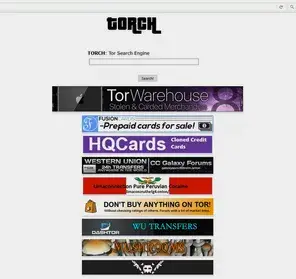
Torch: A large search engine indexing millions of onion pages, best suited for experienced users due to potential harmful content.
Onionxmh57jrknzkhv6y3ls3ubitzfqnkrwxhopf5aygthi7d6rplyvk3noyd.onion
Notes
Explore More Dark Web Resources
Discover additional guides and tools to enhance your journey.
View More Resources